

1. Why Camera Protection Has Become a Core Design Focus
📷 Over the past few generations of Samsung smartphones, camera modules have grown larger, more complex, and more protruding. Multi-lens arrays, periscope zoom structures, and OIS components all increase the physical height of the camera island, making it more vulnerable to scratches, cracks, and impact damage during daily use.
For B2B buyers and brand owners, this means that a phone case is no longer judged only by overall drop protection. Camera module safety has become a key selling point and a major factor in return rates, customer satisfaction, and long-term brand reputation. Working with an experienced Phone Case Manufacturer allows camera protection to be engineered at the structural level rather than added as an afterthought.
2. Raised Bezel Design: The First Line of Defense
🛡 The most widely used solution is a raised camera bezel. By extending the case frame 0.6–1.2 mm above the lens surface, the camera glass never directly contacts flat surfaces when the phone is placed face up.
From a manufacturing standpoint, the challenge lies in:
-
Keeping the bezel thin enough for aesthetics
-
Maintaining consistent height across mass production
-
Avoiding interference with wide-angle lens fields
A professional Samsung Manufacturer controls mold precision within tight tolerances to ensure the raised frame is uniform, smooth, and perfectly aligned with each lens opening.
3. Air-Cushion and Shock-Absorbing Structures
💥 Impact energy during drops is often transmitted directly to the camera corner. To reduce this, many Samsung case designs integrate:
-
Micro air pockets around the camera island
-
Reinforced TPU ribs behind the lens area
-
Multi-layer hybrid structures combining soft inner cores with rigid outer shells
These elements disperse impact forces before they reach the fragile lens glass or internal camera components, significantly lowering crack and misalignment risks.
4. Precision Cutouts and Lens Ring Engineering
🎯 Camera cutout accuracy is critical. Poor alignment can cause vignetting, flash shadowing, or dust accumulation. High-end manufacturers use CNC-calibrated molds and optical inspection to ensure each aperture matches the lens geometry exactly.
For decorative camera rings, material selection is equally important:
-
Non-magnetic alloys
-
Vacuum-plated polymer rings
-
Electroplated coatings without ferromagnetic content
These avoid interference with wireless charging and camera sensors while maintaining a premium appearance.
5. Scratch-Resistant Coatings and Surface Treatments
✨ Camera surroundings are frequently exposed to friction from pockets, desks, and bags. Anti-scratch coatings and hard-surface PC layers help maintain long-term clarity and visual quality. Matte and soft-touch finishes can further reduce fingerprint visibility without increasing abrasion.
6. Material Selection for Long-Term Stability
🧪 Different materials respond differently to heat, UV, and chemical exposure. High-grade TPU maintains elasticity and shock absorption, while PC provides structural rigidity around the camera frame. Hybrid designs allow both to work together:
-
TPU absorbs impact
-
PC stabilizes lens positioning
-
Coatings protect against micro-scratches and yellowing
This balanced approach ensures consistent protection throughout the product lifecycle.
7. Customization Without Compromising Protection
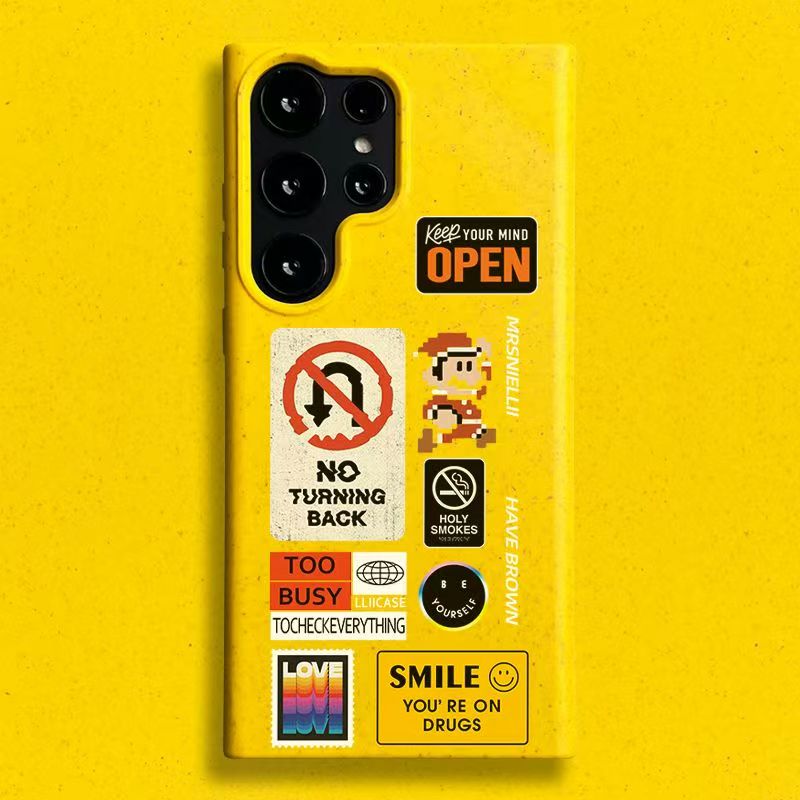
🏷 Brand logos, textures, and decorative patterns often surround the camera area. A qualified Phone Case Manufacturer will redesign the internal support ribs and surface layers so customization does not weaken the bezel or reduce shock-absorption capacity.
This includes:
-
Reinforced logo zones
-
Controlled coating thickness
-
Optimized ink formulations
8. What B2B Buyers Should Evaluate
📊 When sourcing Samsung cases with strong camera protection, procurement teams should check:
-
Bezel height consistency
-
Drop test results focusing on camera impact
-
Cutout tolerance and optical alignment
-
Long-term abrasion and heat aging tests
-
Material stability under repeated stress
These factors directly affect product durability, warranty claims, and consumer trust.