

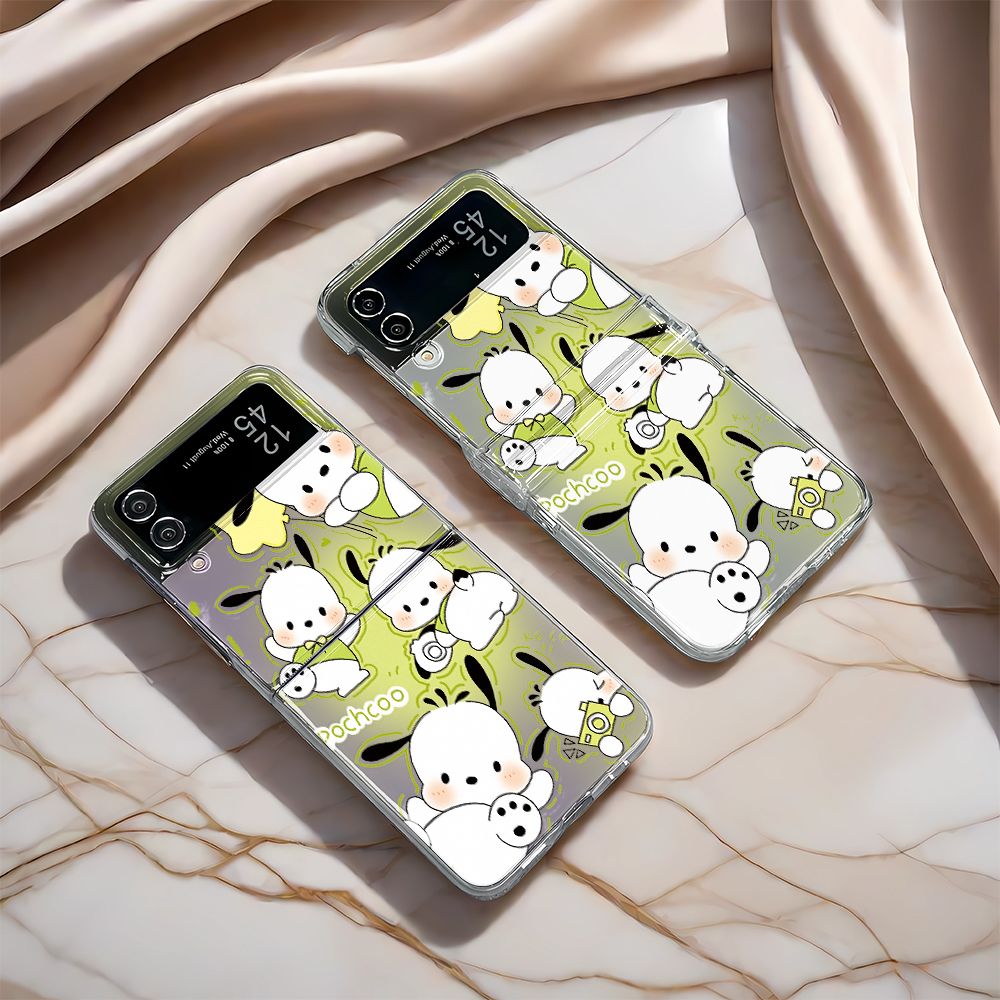
1. Why Surface Design Defines Product Positioning
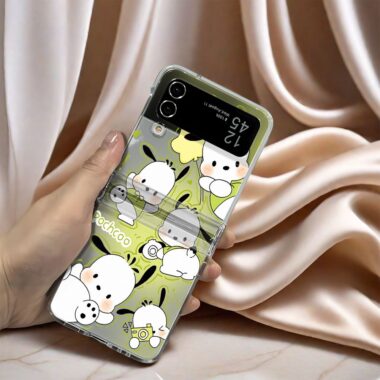
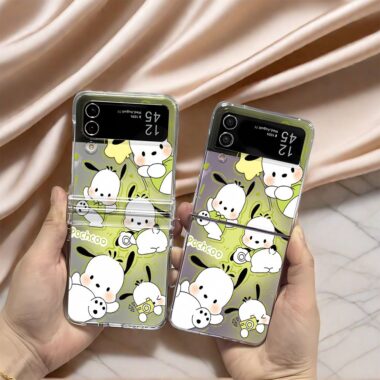
🎨 In today’s smartphone accessory market, visual and tactile experience often determines whether a customer perceives a phone case as entry-level, mid-range, or premium. For Samsung phone cases, texture and pattern printing are no longer simple decoration—they are part of brand identity and product differentiation.
From a B2B perspective, working with a reliable Phone Case Manufacturer means gaining access to mature surface treatment technologies that ensure consistent color reproduction, long-lasting adhesion, and scalable production for retail and private-label programs.
2. Printing Technologies Used in Samsung Case Production
🖨 Several industrial printing methods are commonly applied, each suited to different design goals:
-
UV Printing – High resolution, flexible for small-batch customization
-
IMD (In-Mold Decoration) – Graphics embedded under a protective layer, excellent for durability
-
IML (In-Mold Labeling) – Precise color control for large-volume production
-
Water Transfer Printing – Ideal for complex 3D textures like carbon fiber or marble
A professional Samsung Manufacturer selects the method based on artwork complexity, expected lifespan, and cost positioning.
3. Creating Tactile Textures: More Than Visual Appeal
🧩 Texture is as important as pattern. Popular finishes include:
-
Micro-matte for anti-slip grip
-
Leather grain for premium feel
-
Fabric weave for lifestyle collections
-
Soft-touch rubberized coating for comfort
These textures are achieved through precision mold engraving, coating formulation, or layered surface films. The challenge in mass production lies in maintaining uniform depth and gloss across thousands of units, which requires strict mold maintenance and coating thickness control.
4. Color Accuracy and Pattern Consistency
🎯 For branded projects, color deviation is one of the main reasons for order rejection. Professional manufacturers rely on:
-
Pantone-based ink systems
-
Spectrophotometer color calibration
-
Controlled curing temperature and time
This ensures that every production batch matches the approved sample, whether the pattern is a minimal logo repeat or a complex full-back graphic.
5. Durability Testing for Printed Surfaces
🛡 Pattern quality is meaningless if it fades or peels after weeks of use. Therefore, industrial Samsung case production includes:
-
Alcohol rub tests
-
Abrasion cycle testing
-
UV aging simulations
-
Temperature and humidity resistance understanding
Advanced coatings protect printed layers from scratches, fingerprints, and discoloration, extending the product’s retail lifespan.
6. Integrating Texture with Structural Protection
📐 Texture and pattern printing must not weaken shock-absorption or wireless charging performance. Mold engineers design:
-
Reinforced corners under textured layers
-
Non-metallic pigments in coil zones
-
Optimized wall thickness to balance grip and protection
A capable Phone Case Manufacturer coordinates surface design and structural engineering so that aesthetics never compromise functionality.
7. Custom Branding and Artwork Adaptation
🏷 Logos, slogans, and thematic graphics require accurate placement and scaling for different Samsung models. This involves:
-
Camera and button zone masking
-
Distortion compensation for curved surfaces
-
Multi-layer registration control
Such details are essential for brands aiming for consistent visual identity across multiple phone generations.
8. What B2B Buyers Should Focus On
📊 When sourcing custom textured and patterned Samsung cases, buyers should evaluate:
-
Printing method suitability for order volume
-
Texture wear resistance
-
Color stability across batches
-
Lead time for mold and artwork setup
-
Supplier capability for repeat orders
These factors directly impact product quality, return rates, and long-term brand value.